
Embrace Sustainability with Eco-Friendly Sustainable Design Materials
- Lori A. LaRochelle, asid, midc
- Apr 27
- 4 min read

When I first started exploring sustainable design materials, I was amazed at how much impact our choices can have on the environment and our daily lives. Choosing eco-friendly materials is not just a trend; it’s a commitment to a healthier planet and a more harmonious living space. If you’ve ever wondered how to blend style, function, and sustainability, you’re in the right place. Let’s dive into the world of sustainable design materials and discover how they can transform your home or workspace while honoring the natural beauty that surrounds us.
Why Sustainable Design Materials Matter
Sustainability in design is about more than just aesthetics. It’s about making choices that reduce waste, conserve resources, and promote a healthier environment. Sustainable design materials are those that are renewable, recyclable, or have a low environmental impact during their production and use. By embracing these materials, we can create spaces that feel good to live in and are kind to the planet.
For example, bamboo flooring is a fantastic alternative to traditional hardwood. Bamboo grows incredibly fast, making it a highly renewable resource. Plus, it’s durable and stylish, fitting perfectly into modern or rustic interiors. Another great option is reclaimed wood, which adds character and history to your space while keeping old materials out of landfills.
Using sustainable materials also means fewer harmful chemicals in your home. Many conventional building materials release volatile organic compounds (VOCs) that can affect indoor air quality. Eco-friendly options often avoid these toxins, creating a healthier environment for you and your family.

Exploring Popular Sustainable Design Materials
There’s a rich variety of sustainable design materials available today, each with unique benefits and applications. Here are some of my favorites that you might consider for your next project:
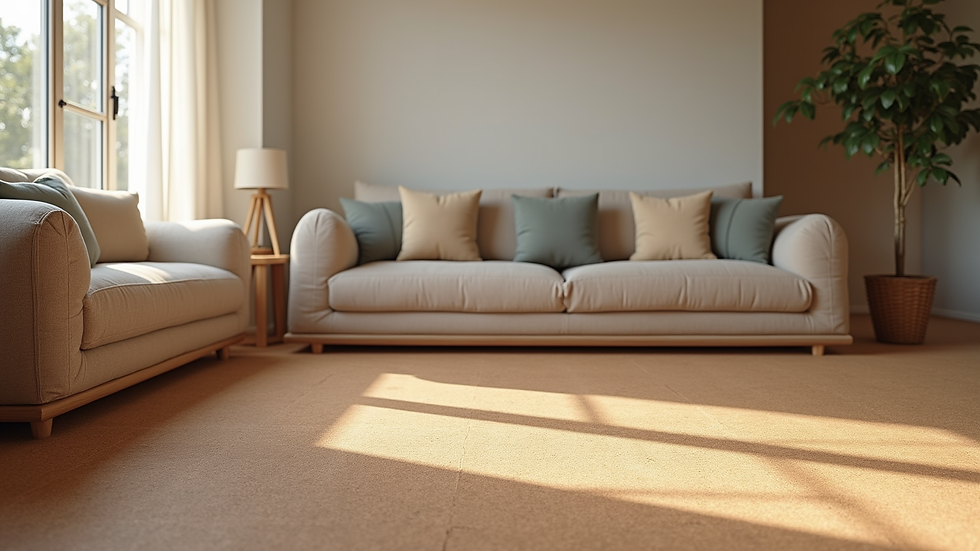
Cork: Harvested from the bark of cork oak trees without harming the tree itself, cork is renewable and biodegradable. It’s excellent for flooring, wall coverings, and even furniture. Cork’s natural insulation properties help regulate temperature and sound, making your space more comfortable.
Recycled Metal: Using recycled metals like aluminum or steel reduces the need for mining new materials. These metals are strong, long-lasting, and perfect for fixtures, hardware, and decorative accents.
Low-VOC Paints and Finishes: These products minimize harmful emissions, improving indoor air quality. They come in a wide range of colors and finishes, so you don’t have to sacrifice style for sustainability.
Organic Fabrics: Materials like organic cotton, hemp, and linen are grown without synthetic pesticides or fertilizers. They’re ideal for upholstery, curtains, and bedding, offering softness and breathability.
Recycled Glass: This material can be used in tiles, countertops, and decorative elements. It adds a unique sparkle and texture while diverting glass waste from landfills.
By thoughtfully selecting these materials, you can create a space that reflects your values and supports a sustainable lifestyle.
How to Incorporate Sustainable Materials in Your Design
You might be wondering, “How do I start integrating sustainable materials into my home or office?” The good news is that it’s easier than you think. Here are some practical steps to guide you:
Assess Your Needs and Priorities
Begin by identifying which areas of your space could benefit most from sustainable upgrades. Is it the flooring, furniture, or paint? Knowing your priorities helps you focus your efforts and budget.
Research and Source Locally
Whenever possible, choose materials sourced close to home. This reduces transportation emissions and supports local businesses. For example, Maine’s abundant forests offer reclaimed wood options that bring a regional touch to your design.
Mix and Match Materials
Don’t feel limited to one type of material. Combining cork flooring with organic fabric upholstery or recycled metal fixtures can create a layered, interesting look that’s both sustainable and stylish.
Work with Professionals
Collaborating with experienced interior design services can help you navigate the many options and ensure your choices align with your vision and sustainability goals.
Think Long-Term
Sustainable design is about durability and timelessness. Choose materials that will age gracefully and require minimal maintenance, reducing the need for frequent replacements.
By following these steps, you’ll not only create a beautiful space but also contribute to a healthier environment.
The Benefits Beyond the Environment
Sustainable design materials offer more than just environmental advantages. They can enhance your quality of life in subtle but meaningful ways. For instance, natural materials like wood and cork bring warmth and texture that synthetic materials often lack. This connection to nature can promote relaxation and well-being.
Moreover, many eco-friendly materials improve indoor air quality by reducing exposure to harmful chemicals. This is especially important for families with children, pets, or anyone sensitive to allergens.
From a financial perspective, investing in durable, sustainable materials can save money over time. High-quality bamboo or reclaimed wood floors, for example, can last decades with proper care, avoiding costly replacements.
Finally, choosing sustainable materials sends a powerful message. It shows a commitment to responsible living and inspires others to consider their own impact. Isn’t it rewarding to know your space reflects your values so clearly?
Moving Forward with Sustainable Design
Embracing sustainable design materials is a journey, not a destination. Each choice you make contributes to a larger movement toward environmental stewardship and mindful living. Whether you’re renovating a single room or designing an entire home, these materials offer endless possibilities to create spaces that are beautiful, functional, and kind to the earth.
If you’re ready to take the next step, consider reaching out to professionals who specialize in sustainable design. They can help you explore options tailored to your lifestyle and the unique character of your surroundings.
Remember, every small decision counts. By choosing eco-friendly materials, you’re not just designing a space - you’re nurturing a legacy of care and respect for the natural world.
Let’s create homes that celebrate the Maine way of life - close to nature, thoughtful, and enduring.
If you want to learn more about how to integrate these materials seamlessly, don’t hesitate to explore expert interior design services that prioritize sustainability and craftsmanship. Your dream space is waiting, and it can be green, gorgeous, and genuinely yours.


Comments